
More insights.

Subscribe to our newsletter.
Deep dives into design thinking, creative process, and the intersection of business and aesthetics.
Beyond photorealism: what clients actually respond to now
For years, photorealism was the benchmark. Sharper reflections, higher resolution textures, and more believable lighting were seen as proof of quality. That still matters, but it is no longer the thing that moves decisions.
What clients respond to now is clarity.
Developers, agents, and end buyers are less interested in how real an image looks and more focused on what it helps them understand. They want to see how a space works, how it fits into its surroundings, and how it supports the lifestyle or commercial outcome being promised. A technically perfect image that creates confusion or leaves questions unanswered has very little value.
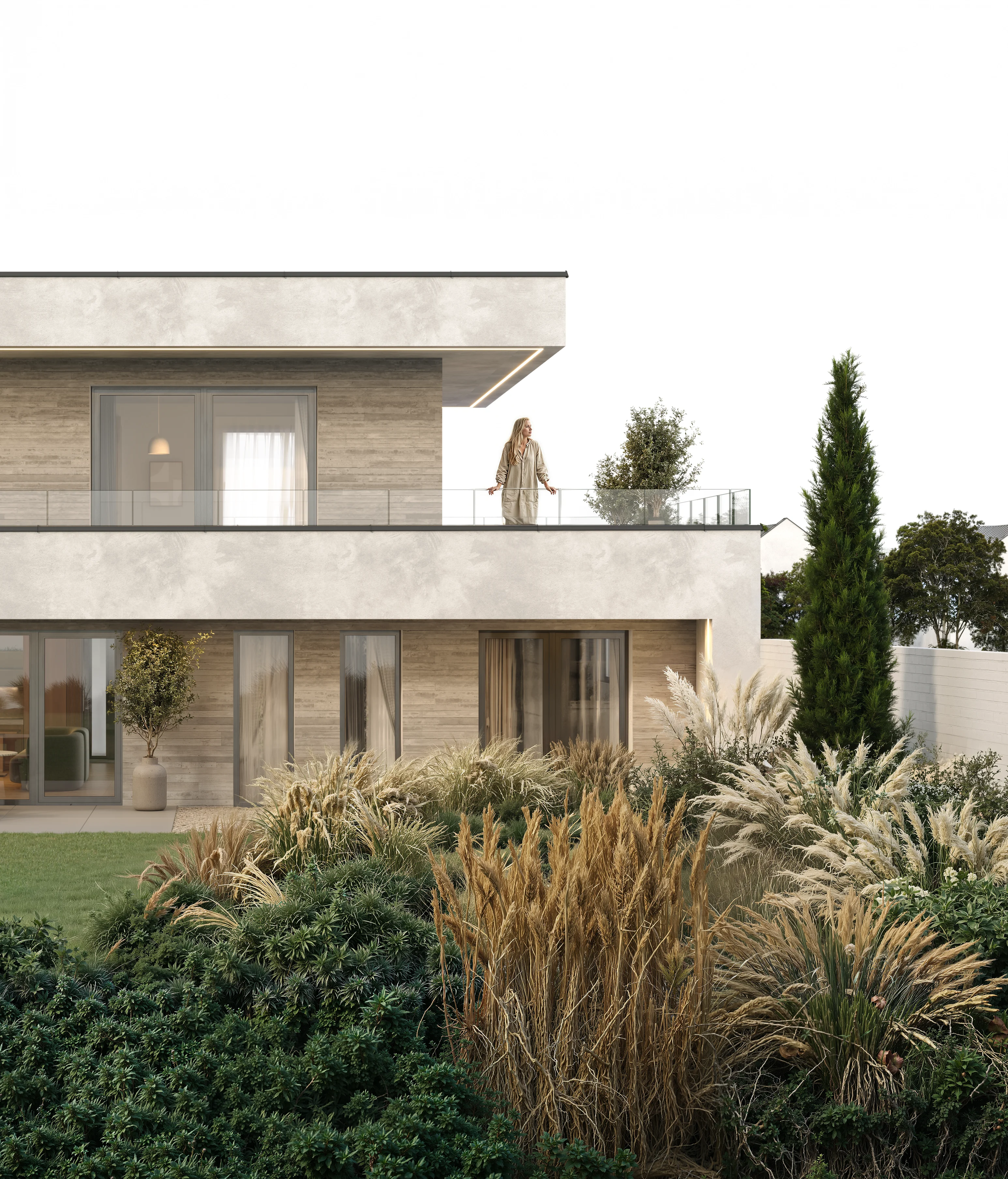
We are seeing stronger engagement with visuals that prioritise legibility over spectacle. Clear massing, honest material representation, readable layouts, and a sense of scale that feels intuitive. These are the elements that help people make decisions faster and with more confidence.
There is also a growing sensitivity to trust. Over-styled imagery that feels exaggerated or overly idealised can work against a project, especially in off plan sales. Clients are responding better to visuals that feel grounded and believable, even if they are less dramatic.
Photorealism is still a tool, but it is no longer the goal. The projects performing best are the ones using visualisation as a communication system rather than a visual trick.
The shift is subtle, but it is real. And it is shaping how visual work needs to function going forward.
Beyond photorealism: what clients actually respond to now
For years, photorealism was the benchmark. Sharper reflections, higher resolution textures, and more believable lighting were seen as proof of quality. That still matters, but it is no longer the thing that moves decisions.
What clients respond to now is clarity.
Developers, agents, and end buyers are less interested in how real an image looks and more focused on what it helps them understand. They want to see how a space works, how it fits into its surroundings, and how it supports the lifestyle or commercial outcome being promised. A technically perfect image that creates confusion or leaves questions unanswered has very little value.
We are seeing stronger engagement with visuals that prioritise legibility over spectacle. Clear massing, honest material representation, readable layouts, and a sense of scale that feels intuitive. These are the elements that help people make decisions faster and with more confidence.
There is also a growing sensitivity to trust. Over-styled imagery that feels exaggerated or overly idealised can work against a project, especially in off plan sales. Clients are responding better to visuals that feel grounded and believable, even if they are less dramatic.
Photorealism is still a tool, but it is no longer the goal. The projects performing best are the ones using visualisation as a communication system rather than a visual trick.
The shift is subtle, but it is real. And it is shaping how visual work needs to function going forward.